architectural-films-cooler-private-rooms
Architectural films improve privacy, reduce heat and glare, and protect interiors. Learn how to choose the right window film for Queensland properties.
Nov 3, 2026
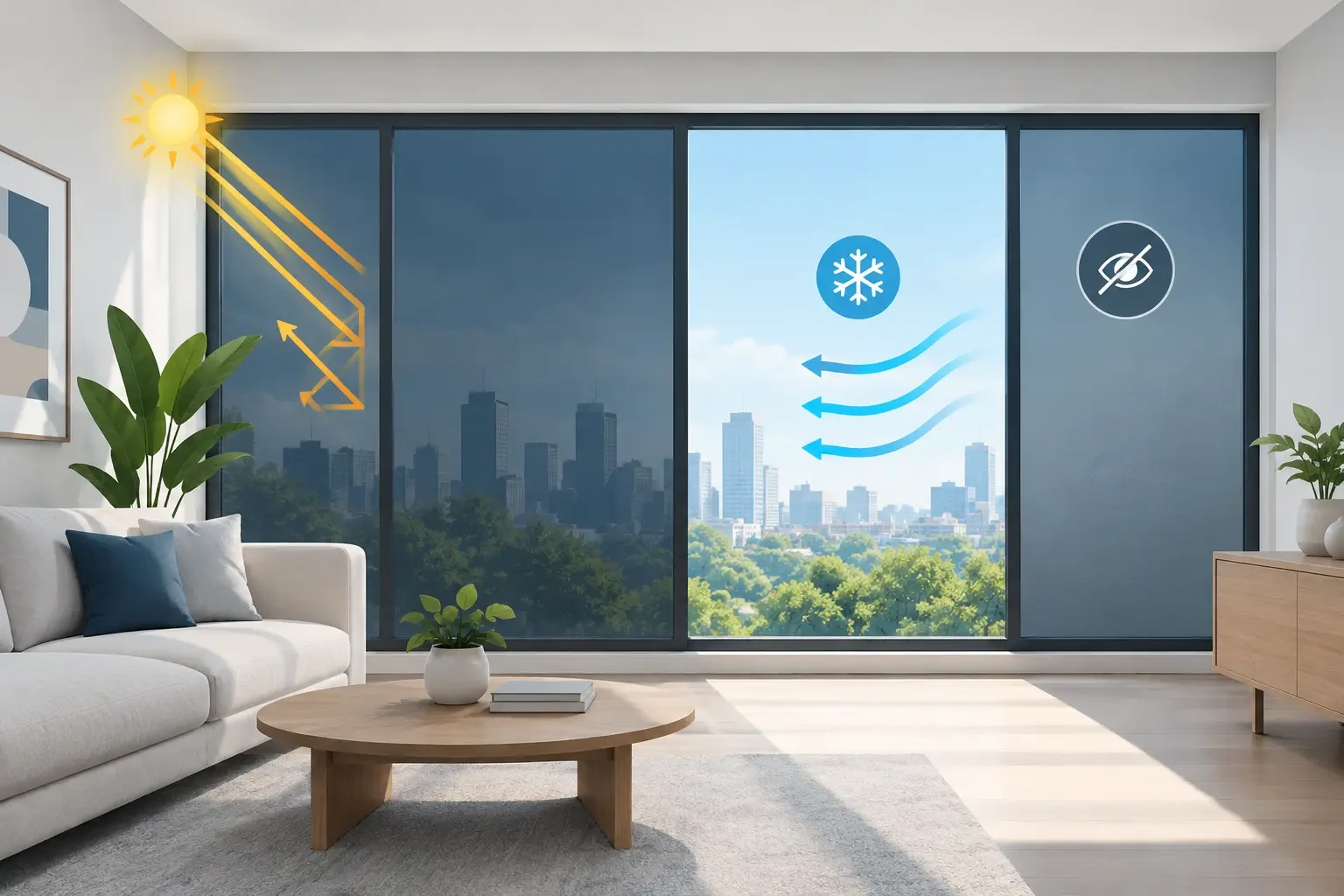
# Architectural Films for Cooler, Private Rooms A west-facing lounge can look fantastic at 9am and become the hottest room in the house by mid-afternoon. The same issue turns up in Gold Coast shopfronts, Brisbane offices and apartment bedrooms: plenty of natural light, but too much heat, glare or exposure. Architectural films offer a practical way to improve existing glass without the cost and disruption of replacing windows. Window film is not a one-product solution. The right choice depends on the glass, the direction it faces, how the room is used and what matters most to you - cooler temperatures, privacy, UV protection, safety or a cleaner decorative finish. I have installed window films since 1993, and a clear assessment before quoting is what prevents disappointing results later. ## What are architectural films? Architectural films are purpose-made layers applied to interior or exterior glass in homes and commercial buildings. They alter the performance or appearance of existing glazing. Depending on the product, film can reduce solar heat, cut reflected glare, filter ultraviolet light, add daytime privacy, obscure internal spaces, hold broken glass together or change the look of a window or glass partition. For many property owners, the appeal is straightforward: keep the windows you already have and make them work harder. A good-quality film can make a sun-struck room more comfortable, help protect flooring and furnishings from fading, and reduce the need to keep blinds closed all day. The result should still suit the property. Some clients want the lightest possible tint with strong UV protection. Others need a darker solar film for a hot living area, a frosted finish for an overlooked bathroom, or a decorative vinyl for an office meeting room. There is no universal best film, only the best option for the glass and the job. ## Where window film makes the biggest difference Queensland sunlight is hard on glass-heavy buildings. Large windows bring views and daylight, but they can also create uncomfortable hot spots, washed-out screens and interiors that fade faster than expected. Solar-control architectural films are designed to reject a portion of solar energy before it enters the room. Selected films can reduce heat by up to 79% and glare by up to 93%, although the actual result depends on the film chosen, window orientation and existing glass. In a home, this often means a more usable lounge, bedroom or home office during the afternoon. It can also help when air conditioning struggles to keep up in rooms with broad expanses of glass. Film is not a substitute for insulation, shading or sensible ventilation, but it can be a meaningful improvement where the glass is the main source of heat and glare. For offices, glare reduction can be as valuable as heat control. Staff should not have to rearrange desks or pull blinds down every time the sun reaches their monitors. In retail, a well-chosen film can protect stock and displays while keeping the shopfront bright and welcoming. The darker the film, however, the more it can affect outward visibility and internal light levels. That trade-off is worth discussing before installation. ## Choosing architectural films for the job ### Solar and glare-control film Solar film is usually the starting point for hot, bright rooms. It comes in a range of shades and appearances, from light neutral films that preserve a more natural look to reflective options that provide stronger daytime privacy and heat rejection. Reflective films can be highly effective on exposed glazing, but they are not always the right look for every home or strata property. At night, when lights are on inside, the [privacy effect reverses](https://www.tradetint.com.au/blog/does-privacy-film-work-nights) unless curtains or blinds are used. This catches people out, so it is better to be clear about it from the start. ### Privacy, frosted and decorative film Privacy film is ideal when the goal is to stop clear views through the glass rather than control sun. Frosted film is popular for [bathroom windows](https://www.tradetint.com.au/blog/frosted-film-for-bathroom-windows), entry sidelights, street-facing rooms and glass doors. It allows light through while obscuring the view, making it a sensible alternative to permanently closing a blind. In commercial spaces, frosted and decorative film can define meeting rooms, treatment areas and internal offices without making the workplace feel boxed in. It can be applied as a full panel, horizontal band or custom pattern. Vinyl graphics can also support branding and wayfinding on shopfront or internal glass. ### Safety and security film Safety and security films are thicker products designed to help hold shattered glass together. They may be appropriate for vulnerable windows, commercial premises, schools, glass doors and areas where accidental impact is a concern. They do not turn ordinary glass into an impenetrable barrier, and they should not be sold that way. Their benefit is in reducing scatter and making forced entry through glass more difficult or time-consuming. The correct product and installation method matter. Some applications require edge attachment or a particular film specification to meet the intended performance outcome. If compliance is required, that needs to be identified before the work is quoted. ## Check the glass before selecting a film The most important part of a window film project is often the part nobody sees: identifying the existing glass. Different glazing types absorb and reflect heat differently. A film that is suitable for one pane may increase thermal stress on another, particularly where the glass is older, tinted, laminated, double glazed or partly shaded. This is why choosing a film by colour alone is risky. A dark finish may look appealing online, yet be unsuitable for a particular window. The same applies to double glazing. Many modern film options work well with double-glazed units, but compatibility needs to be confirmed rather than assumed. I check the glass type, window size, direction, frames, seals and access before recommending a product. For commercial work, I also consider the appearance from both sides of the glass, whether the building has after-hours access requirements, and how installation can be completed with minimal interruption to staff or customers. ## What professional installation changes Window film is precision work. Glass needs to be properly cleaned, measured and prepared so dust, residue and poor edges do not spoil the finish. The film is then cut, applied with the correct solution and carefully squeegeed into place. On larger commercial panes, planning and handling are just as important as the application itself. Small marks or a slightly hazy appearance can be visible while the moisture beneath the film dries. This curing period varies with the product, weather and glass conditions. It is normal, and most films settle as they dry. A professional installer should explain what to expect, including when the glass can be cleaned and how to look after it. The quality of the quote matters too. It should explain the film type, the intended benefit, the areas being covered and the price, rather than leaving room for surprises. At Trade Tint, I personally quote and install each project, from a single privacy window through to larger commercial glazing programs. That means the person assessing the job is also accountable for the finish. ## A practical way to get the right quote Before requesting a quote, take a few clear photos of the windows from inside and outside where possible. Note the approximate width and height of each pane, which direction the glass faces, and the main issue you want to solve. If heat is the problem, mention when it is worst. If privacy is the concern, explain whether it is needed during the day, at night or both. Measured window sizes allow faster, more accurate pricing. They also make it easier to compare options, such as a lighter solar film versus a darker reflective product, or frosted film versus a decorative pattern. Customers who provide measured sizes can receive immediate pricing and a stated 10% discount. The best window film should improve the way a room feels without creating a new problem you did not expect. Start with the glare, heat or privacy issue you notice every day, then choose a film that suits the glass, the view and the way you use the space.