meeting-room-glass-privacy-film
Meeting room glass privacy film gives teams privacy without shutting out light. See which finish suits your office, glass and working styles every day.
Oct 1, 2026
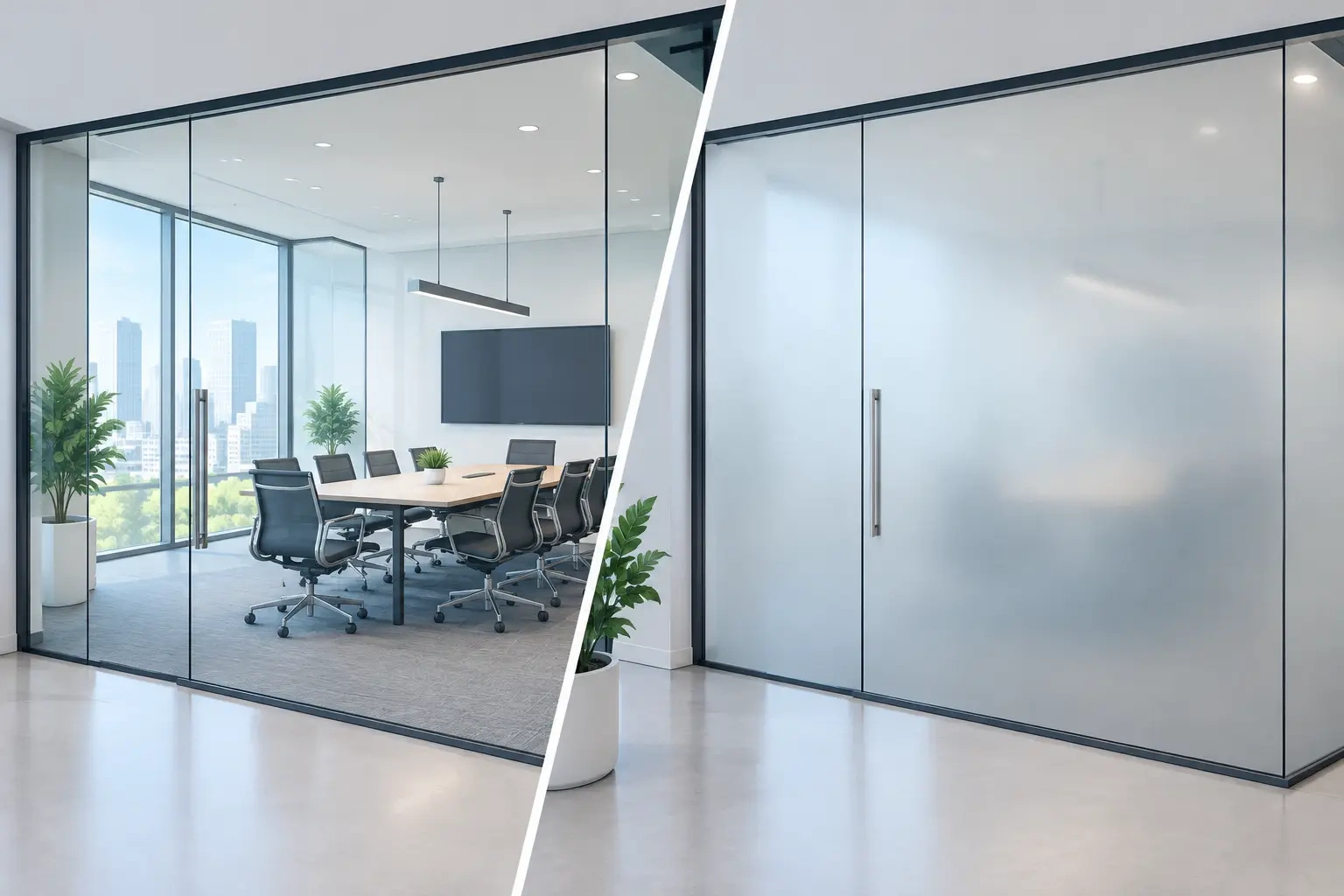
# Meeting Room Glass Privacy Film That Works A glass meeting room can make an office feel open, bright and modern, but it can also leave every conversation on display. Meeting room glass privacy film is a practical way to give staff and clients the discretion they need without replacing existing glazing or turning the room into a closed-off box. For offices across the Gold Coast and Brisbane, the right film often solves more than one problem. It can reduce visual distractions from busy walkways, help protect sensitive discussions, soften glare on screens and improve the overall finish of a workspace. The key is choosing a film that suits how the room is actually used, rather than applying the same frosted finish to every pane. ## Why glass meeting rooms need privacy Glass partitions are popular because they carry natural light through an office. They allow managers to see activity across the workplace and can make a smaller tenancy feel less cramped. The drawback is that transparent glass gives people a clear view into meetings, interviews, performance discussions, phone calls and client presentations. That visibility can be uncomfortable for everyone involved. A team trying to focus on a strategy session may be distracted by people walking past. A client discussing financial details may reasonably expect a little more privacy. Even when a conversation cannot be heard, being watched through a clear glass wall changes the feel of the room. Privacy film changes the sightline while preserving the light. Instead of rebuilding partitions, fitting blinds or replacing the glass, film is applied directly to the existing surface. For many offices, that means less disruption, less cost and a much quicker result. ## Choosing the right meeting room glass privacy film There is no single best film for every boardroom, huddle room or office partition. The right choice depends on the room layout, the level of privacy required and whether people need to see in or out at certain points. ### Full frosted film for consistent privacy A full frosted or etched-look film is a strong choice for rooms used for confidential meetings. It obscures the view from both sides while still allowing daylight to pass through the glass. The result is bright, private and clean-looking. This finish works especially well where a meeting room faces a main corridor, reception area or open-plan workstation. It is also useful when the room is regularly booked by different teams and needs reliable privacy without staff adjusting blinds or screens. The trade-off is obvious: full frosting removes the visual connection to the rest of the office. That may be exactly what you want for HR meetings or private client consultations, but it can feel too enclosed for a casual collaboration space. ### Frosted bands for privacy at seated height A frosted band across the middle of the glass is one of the most common commercial solutions. It blocks the view of people seated around a table while keeping clear glass above and below. This retains an open feel and allows natural light to flow through the room. Band height and width matter. A narrow strip that looks good standing up may not provide enough coverage once people are seated. I measure the glass and discuss where chairs, tables and sightlines sit before recommending a layout. A well-positioned band should do its job without looking like an afterthought. This option suits meeting rooms where the office wants privacy for discussions but still wants the space to feel connected to the wider workplace. ### Decorative film that supports your office fit-out Privacy film does not need to be plain. Etched patterns, stripes, geometric designs and coloured vinyl details can complement your existing branding or fit-out. Used well, decorative film can make a basic glass partition look intentional and more professional. The practical point is to keep the design useful. A pattern that leaves too much clear glass at eye level will not provide meaningful privacy. A design that is too dense can make the room feel closed in. The best layouts balance visual interest, privacy and light. For some businesses, incorporating a logo or subtle brand detail into a meeting room partition gives reception and client-facing areas a more finished appearance. It is a simple upgrade, but one visitors notice. ## Privacy means different things in different rooms Before selecting a film, consider what needs to be screened from view. For a room used for quick team catch-ups, a modest frosted band may be enough. For a legal, medical, finance or HR discussion room, full frosting or a more substantial pattern may be the better call. It also helps to look at the room from outside, not just from inside. Stand in the corridor, at reception and at nearby desks. Look at the glass from the height of someone seated, standing or walking past. This quickly shows where clear areas create an unwanted view into the room. For external-facing meeting rooms, reflective or tinted films can sometimes help with [daytime privacy](https://www.tradetint.com.au/daytime-privacy-overlooked-windows) while also reducing glare and heat. However, reflective film is not a substitute for frosted film when you need complete visual screening. Its privacy performance depends on the light outside being brighter than the light inside, so it can change after dark when interior lights are on. ## The added benefits: glare, comfort and presentation Meeting room glass privacy film is mainly about discretion, but the right product can also improve everyday comfort. In Queensland offices, glass exposed to the sun can create [glare across presentation screens](https://www.tradetint.com.au/blog/how-to-stop-screen-glare-in-your-home-or-office) and make certain seats unpleasantly warm. Where privacy film is being installed on external glazing, I can recommend options that [reduce heat](https://www.tradetint.com.au/how-to-reduce-window-heat), glare and UV exposure as well as improving privacy. Depending on the film and glass type, solar-control films can reduce heat by up to 79 per cent and glare by up to 93 per cent. That can make a real difference in rooms used for video calls, screen sharing and client presentations. Not every privacy film has the same solar performance. Standard frosted films are usually selected for their appearance and obscurity, while solar films are designed to manage sunlight. If a meeting room has both internal glass partitions and sun-facing external windows, it may need two different film solutions. That is often the sensible approach. ## What a good installation should look like A quality installation should look neat from both sides of the glass. Straight lines, consistent spacing, clean edges and careful alignment around door frames all matter. On a large glass wall, even a small crooked line is easy to spot. The glass also needs to be properly prepared. Dust, adhesive residue, old decals and silicone near the edges can affect the finish. Existing film may need removal before new material is fitted, particularly if it has aged, discoloured or started lifting. I have been installing window film since 1993, and I personally quote and install each Trade Tint project. That means the person assessing your meeting room is the same person applying the film. It avoids the usual handover between a salesperson and an installer, and it helps make sure the agreed design works on the actual glass. Installation is generally far less disruptive than replacing glazing or altering partitions. Most meeting rooms can remain out of action only briefly, depending on the amount of glass and the complexity of the design. Freshly installed film may show some moisture haze while it cures, which is normal and clears as the application solution dries. ## A few practical decisions before you proceed Decide whether you need full-time privacy or only screening at seated height. Consider whether the room receives direct sun, whether the glass is internal or external, and whether the design needs to match other partitions in the office. If safety film, old signage removal or new vinyl branding is also required, it is usually easier to plan the work together. Accurate measurements also make quoting straightforward. Measure the visible glass width and height of each pane, note any doors, and take a few photos showing the room and surrounding sightlines. This gives a clearer starting point for selecting the right finish and calculating the job properly. The best meeting room privacy solution should feel almost invisible in use. Staff should be able to hold a private conversation without thinking about who can see in, while the office still feels bright, professional and welcoming. A measured, purpose-built film design can achieve that without changing the room you already have.