uv-film-for-fading-furniture
UV film for fading furniture helps Gold Coast and Brisbane homes cut UV exposure, heat and glare while keeping rooms bright and views clear all year round.
Sep 23, 2026
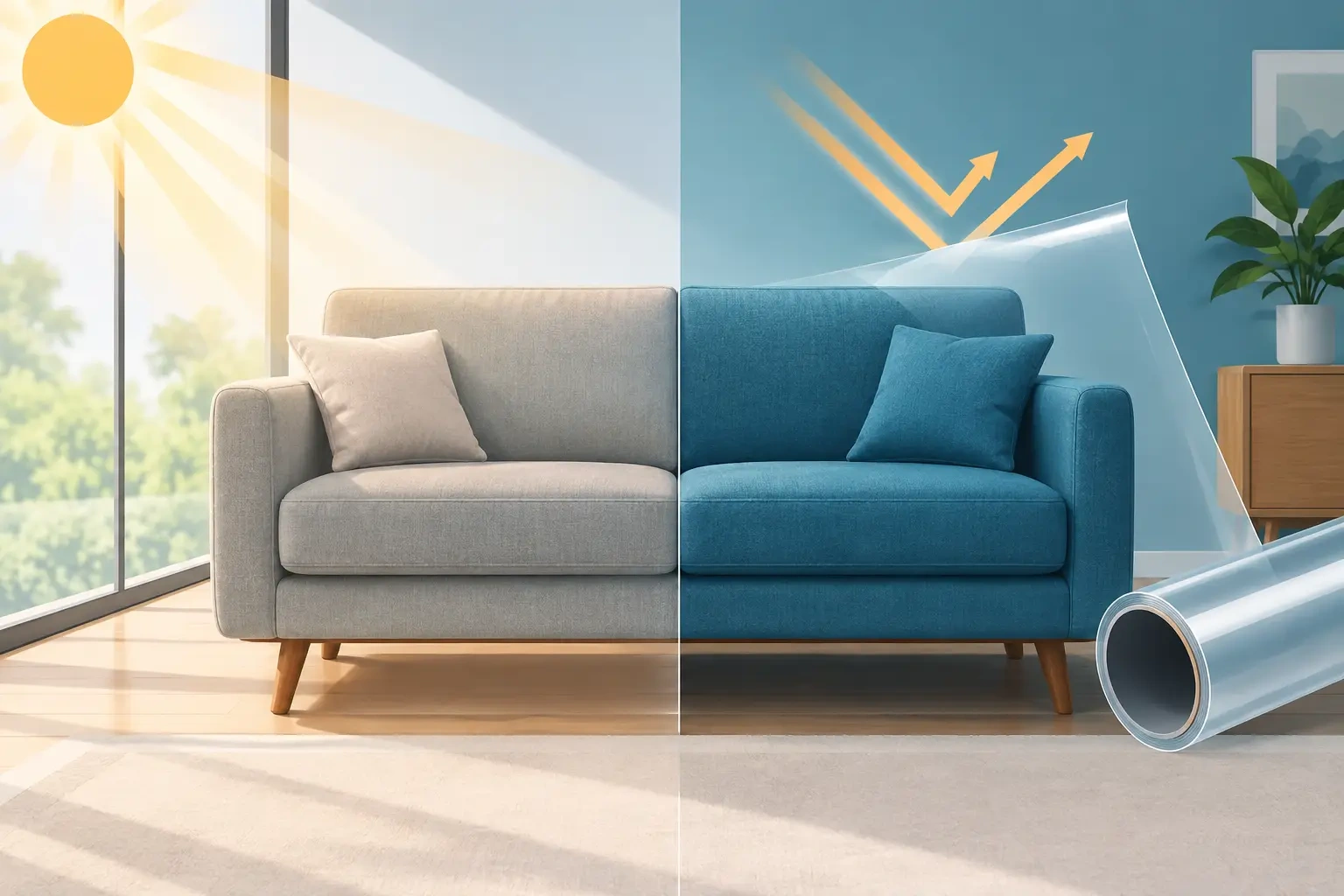
Does UV Film for Fading Furniture Really Help? That sunlit lounge room can be hard on the things you have paid to furnish. Queensland sunlight streaming through an unprotected window may fade timber, flooring, curtains, artwork and upholstery long before their time. UV film for fading furniture is a practical way to reduce that exposure without closing the blinds and losing the view. It is not a magic shield that makes furnishings fade-proof. Sun damage is cumulative, and heat, visible light and the material itself all play a part. However, the right professionally installed window film can substantially reduce the UV entering through your glass, while also cutting heat and glare that make rooms uncomfortable. ## Why furniture fades near windows Fading is often blamed entirely on UV radiation, but the full picture is more complicated. Ultraviolet light breaks down dyes, fibres and finishes. Visible light also contributes, particularly over long periods, while solar heat speeds up the process. That is why the arm of a sofa closest to the window, the edge of a rug or the timber top beneath a skylight can look noticeably different from the covered sections. On the Gold Coast and in Brisbane, this effect is amplified by strong sun, long bright days and large areas of glazing. North- and west-facing windows are common trouble spots, but any glass receiving regular direct sun can put interiors under pressure. Even rooms that feel comfortably bright rather than hot can be receiving enough light to cause gradual colour change. Leather can dry and lose colour. Fabrics can become patchy. Timber flooring and cabinetry may change shade. Photographs and artwork can fade, especially where they sit in a beam of direct afternoon sun. Once the damage is obvious, restoration can be expensive and sometimes impossible. ## How UV film for fading furniture works Window film is applied to the inside surface of existing glass. Quality solar-control films are designed to reject a high proportion of solar energy and filter UV radiation, while still allowing useful natural light into the room. The exact result depends on the film selected, the type of glass and the window’s orientation. Many architectural films filter up to 99% of ultraviolet radiation. That is a significant reduction, but it should be understood as part of a broader protection plan, not a guarantee against all fading. Some visible light still enters, and different materials react differently. A pale natural fabric, antique timber or valuable artwork may still need sensible placement and additional protection. The bonus is that a film selected for interior protection often improves day-to-day comfort as well. It can reduce glare on televisions and computer screens, ease hot spots near windows and lower the strain on air conditioning. Depending on the glass and film, solar window tinting can reduce heat by up to 79% and glare by up to 93%. ## The best film is not always the darkest film A common assumption is that darker tint means better protection. Darker films can be effective, but they are not automatically the right answer for every home or workplace. A dark film may change the appearance of the glass, make a room feel less open or reduce useful daylight more than you want. Modern films come in a range of shades and finishes, including light neutral, reflective, spectrally selective and low-reflective options. Some are designed to manage heat and UV while keeping the glass relatively clear. This can suit living rooms with views, shopfronts that need natural light or offices where staff need to see outside without coping with harsh glare. For a west-facing media room, a stronger solar-control film may be worthwhile. For a bright kitchen with white cabinetry and a garden outlook, a lighter film may offer a better balance. The aim is not simply to put tint on every pane. It is to choose a film that protects the room while fitting how you use it. ### Glass type matters Not every window should receive the same film. Single glazing, double glazing, toughened glass, laminated glass and older glass can all have different considerations. Some combinations can increase thermal stress if the wrong product is used, which is why film selection should not be based on a small sample held up to the window. I assess the glass, sun direction, size of the pane and what is happening inside the room before recommending a suitable option. That is particularly important with large fixed panes, skylights, conservatories, commercial glazing and older homes with mixed glass types. ## What window film can and cannot protect Window film is especially useful where furnishings must stay close to glass. Think of a sofa facing a view, timber dining furniture beside sliding doors, curtains across wide windows, or retail stock displayed in a shopfront. It reduces the solar load before it reaches those surfaces, rather than relying only on blinds after the sunlight is already in the room. It is also a sensible choice for landlords and property managers. Reducing heat and glare can make a property more comfortable for tenants, while protecting flooring, window furnishings and fitted cabinetry between tenancies. In commercial spaces, it helps maintain the presentation of display stock, reception areas and customer-facing interiors. Still, valuable or irreplaceable items deserve extra care. Rotate movable rugs and furniture where practical. Use curtains, blinds or shutters during periods of intense direct sun. Keep delicate artwork out of constant sunlight, and consider UV-rated framing materials. Film reduces the risk substantially, but no glazing treatment can completely stop ageing caused by light and heat. ## Signs your windows need attention The earliest signs are usually subtle. You may notice a lighter strip on floorboards near a sliding door, one side of a lounge suite looking duller, or a curtain edge that no longer matches the folds behind it. Rooms may also feel hot at the same time each day, forcing you to draw blinds even when you would prefer the natural light. Glare is another useful clue. If you regularly move seats to see the television, shut the office blind to use a screen or avoid part of a room in the afternoon, the window is probably doing too little to control solar gain. Addressing the glass can improve comfort and help slow the damage already underway. ## A practical way to choose the right film Start with the problem you want to solve. Is the priority preserving a new timber floor, reducing afternoon heat, stopping glare in a home office or protecting a retail display? The answer guides the film choice and avoids paying for features that do not suit the space. Next, look at when the sun hits the windows. Morning sun, harsh western exposure and overhead sun through skylights each call for a different conversation. Take note of whether privacy is also needed, as a combination of solar control and privacy may be more useful than one feature alone. At Trade Tint, I personally quote and install each project, from a single problem window through to larger commercial glazing. I can show you suitable samples against your glass and explain the likely change in heat, glare, light and appearance before work starts. You get a clear recommendation based on the window, not a one-size-fits-all sales pitch. For [quicker pricing](https://www.tradetint.com.au/blog/window-tinting-cost-gold-coast-what-to-expect), measure the width and height of each pane and note which rooms are affected. Clear measurements make it easier to provide an immediate estimate, and a 10% discount is available when measured window sizes are supplied for a quote. ## Installation and aftercare Professional installation is clean, efficient and normally completed from inside the property. The glass is carefully prepared, the film is cut and applied, then the edges are finished neatly. A small amount of moisture or haze can be visible while the film cures, particularly in humid conditions. This generally clears as the adhesive dries. Once cured, clean filmed glass with a soft cloth and a mild, non-abrasive cleaner. Avoid rough scourers, razor blades and harsh chemicals that can mark the film. Good-quality architectural film is made for long-term use, but its lifespan will depend on the product, exposure and glass conditions. The best time to act is before the sunny side of the room tells a different colour story from the rest. Protecting furniture, flooring and finishes starts at the window, while leaving the natural light you enjoy in place.