uv-window-protection-Queensland-homes
UV window protection helps Gold Coast and Brisbane homes reduce fading, glare and heat while keeping rooms bright, comfortable and practical year-round.
Oct 13, 2026
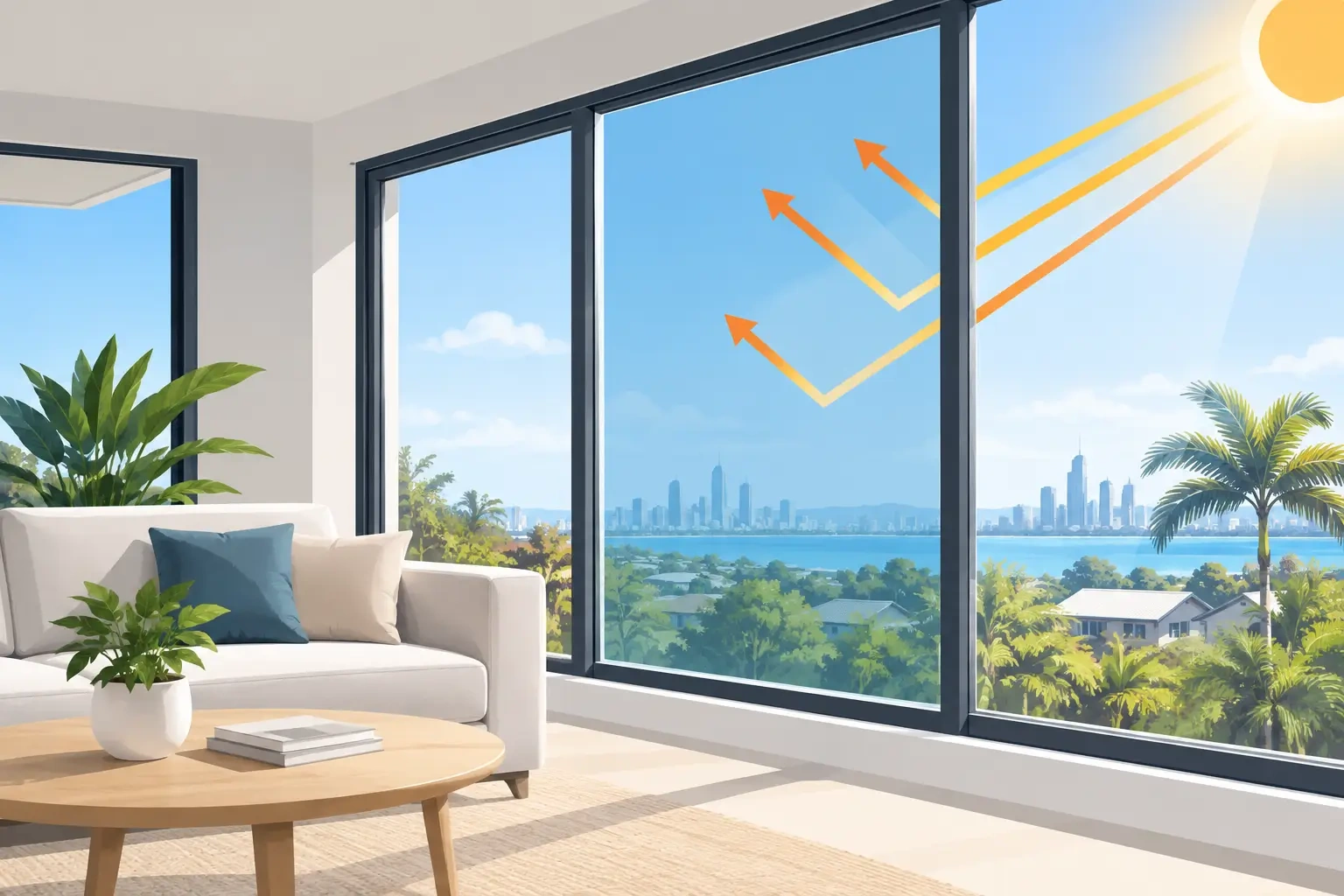
# UV Window Protection for Queensland Homes That bright western window may make a room feel open, but Queensland sun can be tough on everything behind the glass. UV window protection is a practical way to reduce the ultraviolet exposure, heat and glare entering a home or workplace without closing blinds all day or replacing sound existing windows. For Gold Coast and Brisbane properties, the benefit is not limited to furniture fading more slowly. The right window film can make a hot lounge more usable in the afternoon, stop computer screens from being washed out and help protect timber floors, artwork, stock and soft furnishings. The result should still feel like your space, just more comfortable to live or work in. ## What UV does to interiors Sunlight contains UVA and UVB rays. Standard window glass does a reasonable job of blocking most UVB, but UVA can still pass through. UVA is a major contributor to the [gradual fading and deterioration](https://www.tradetint.com.au/uv-film-for-fading-furniture) people notice on flooring, curtains, upholstery, timber furniture, photographs and merchandise near windows. Fading is rarely caused by UV alone. Visible light and heat also play a part, which is why a room can still show damage even where the glass blocks some ultraviolet radiation. A quality architectural film works on all three factors. Depending on the film selected, it can reject up to 99% of UV, reduce solar heat and cut glare while retaining useful daylight. That matters in homes with large glass doors, north- or west-facing windows and open-plan living areas. In commercial spaces, it matters around display windows, office workstations and waiting areas where people sit in direct sun for hours at a time. ## UV window protection is not one film for every window The best film is not automatically the darkest one. Dark film can be effective for glare and heat, but it may make a shaded room feel dim or alter the outside appearance of a building. On the other hand, a light or nearly clear film can provide strong UV filtering while preserving a bright, natural look. I look at the purpose of each window before recommending a product. Is the main problem fading, afternoon heat, screen glare, privacy, or all of the above? Does the room need daylight? Are there views to retain? Is the glass single glazed, double glazed, laminated or part of a shopfront system? These details affect both the right film and the expected result. A living room facing the Broadwater might suit a light solar-control film that keeps the view clear. A sun-exposed home office may need a stronger [glare reduction](https://www.tradetint.com.au/blog/how-to-stop-screen-glare-in-your-home-or-office) to make screens usable. A retail shop may need a film chosen specifically to protect stock while keeping the display visible from the footpath. ### Clear films for protection without a tinted look Clear UV-filtering films are a good option where preserving the appearance of the glass is the priority. They are commonly used for rooms with valuable furnishings, galleries, displays and homes where owners do not want a noticeably tinted finish. They will not provide the same solar heat reduction as a darker solar-control film, so they are best when UV protection is the main concern. This is an important trade-off. If a room is uncomfortably hot every afternoon, a clear film may protect the interiors but not solve the full comfort problem. ### Solar-control films for heat, glare and fading Solar-control window films are often the better all-round option for Queensland homes. They can reduce the solar energy coming through the glass, lessen harsh glare and filter UV at the same time. Some films can reduce heat by up to 79% and glare by up to 93%, depending on the product, glass type and conditions. These films are available in a range of shades and reflective finishes. A lighter film can maintain more daylight, while a darker or more reflective option generally gives greater glare and heat control. The right balance depends on how the room is used, not just what looks good from outside. ## Where UV protection makes the biggest difference Windows do not all receive the same sun. A south-facing room may need very little intervention, while one exposed to strong western sun can become difficult to use late in the day. Targeting the problem glass first is often more cost-effective than applying the same film throughout the property. In a home, I regularly see the greatest benefit on large sliding doors, high-set glazing, kitchen windows and rooms where rugs, lounges or timber floors sit in direct light. In rentals and investment properties, film can also be a sensible improvement where replacement blinds or new glazing are not on the table. For commercial properties, common applications include office windows where glare affects staff, street-facing shopfronts where stock fades, and meeting rooms with too much direct sun. Film can improve comfort without the disruption and cost of replacing glazing, which is particularly useful in occupied premises. UV window protection is also worth considering after a renovation. New floors, cabinetry and furnishings are expensive, and it makes sense to consider the sun exposure before damage has had years to build up. Film will not reverse fading that has already occurred, but it can slow further deterioration. ## What window film can and cannot do Window film is a valuable protective layer, but it is not a complete substitute for sensible interior protection. Delicate artwork, antiques and fabrics can still fade over time, especially in intense direct sun. Curtains, blinds and sensible furniture placement may still be worthwhile in highly exposed rooms. It also will not turn every hot room into an air-conditioned space. Heat comes through roofs, walls, doors and gaps as well as windows. What film does well is address the solar load entering through glass, often the most obvious weak point in a room with large windows. Privacy needs should be considered separately too. Reflective films can offer useful daytime privacy when it is brighter outside than inside, but they do not provide the same effect at night when internal lights are on. For bathrooms, overlooked rooms or meeting spaces, frosted privacy film may be the better choice. ## Why glass type and installation matter Not every film should be applied to every type of glass. Glass absorbs heat differently, and the wrong product on the wrong pane can [increase thermal stress](https://www.tradetint.com.au/blog/will-window-tint-damage-glass). This is especially relevant for some double-glazed units, older glass, large panes and glass with existing damage or edge issues. That is why an accurate assessment matters before installation. I check the glass, its orientation, the condition of the windows and what you want the film to achieve. A transparent quote should identify the film being used and the expected outcome, rather than simply offering a generic tint. Professional preparation and installation also make a visible difference. Glass must be properly cleaned, the film precisely cut and edges finished neatly. Done well, the film should sit cleanly on the glass and perform quietly in the background. It may take time to cure fully after installation, particularly in humid or cool conditions, so a slight initial haze or small moisture pockets can be normal. ## Choosing a practical level of protection If you are weighing up UV window protection, start by looking at the rooms you avoid at certain times of day and the items already showing signs of fade. Take note of which windows receive direct sun, how long it lasts and whether your main concern is heat, glare, UV exposure or privacy. Measured window sizes and a few photos can help provide an initial indication of cost, but an on-site look is useful for more complex glazing. I personally quote and install each Trade Tint job, so the recommendation is based on the actual glass and the result you are trying to achieve, not a handover between a salesperson and an installer. The best window film is usually the one you stop noticing. Your rooms stay brighter than closed blinds would allow, screens are easier to see, furnishings get more protection and the afternoon sun becomes less of a reason to leave part of the house unused.