frosted-film-installation
Frosted film installation adds practical privacy to Gold Coast and Brisbane glass without blocking light. Get the right finish, fit and advice locally.
Oct 22, 2026
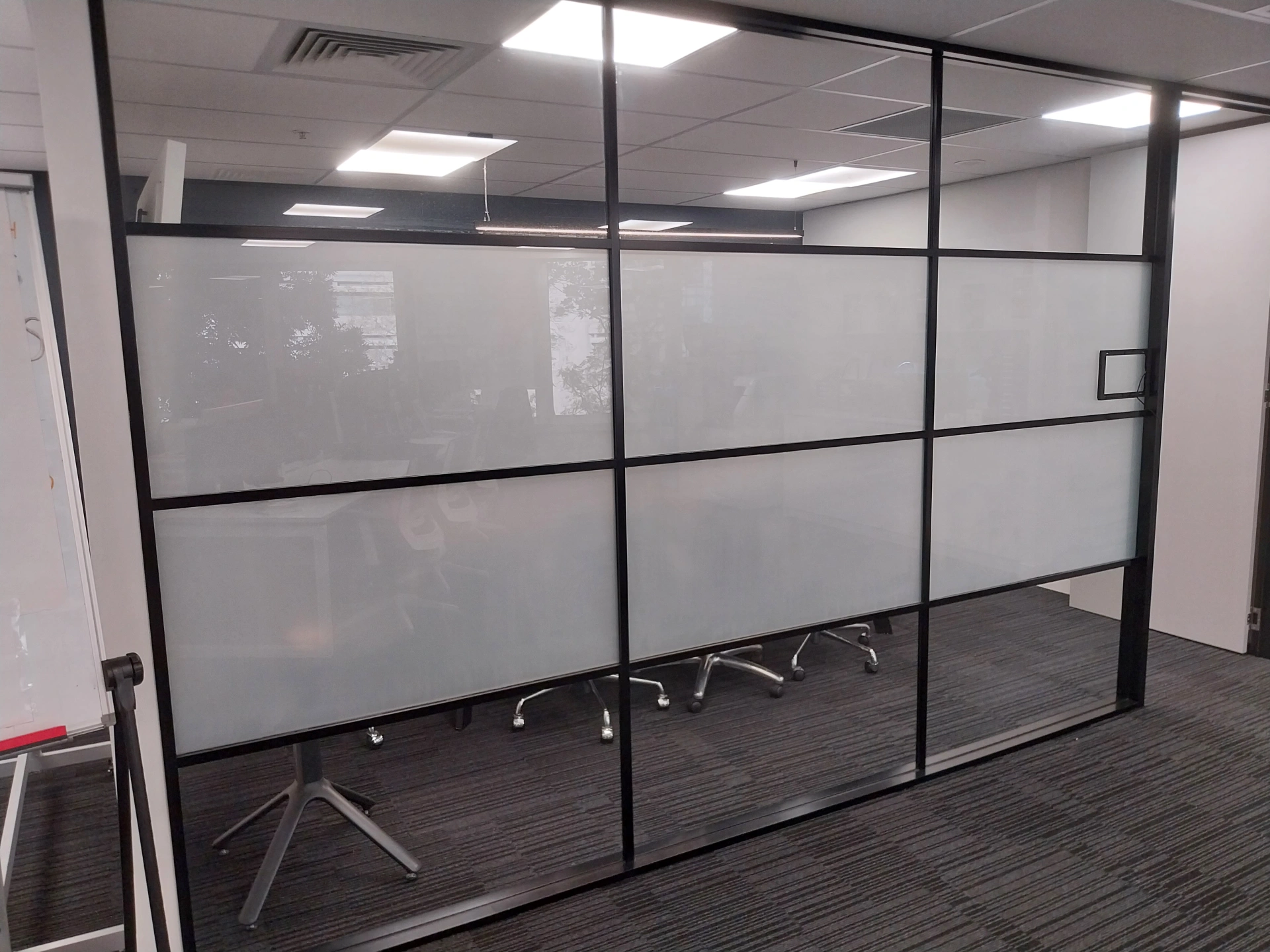
# Frosted Film Installation for Privacy That Lasts A clear bathroom window, overlooked office meeting room or glass-fronted entry can make a space feel exposed long before it becomes a major problem. Frosted film installation is a practical way to create privacy on existing glass while still letting natural light into the room. It avoids the cost, mess and delay of replacing windows, and the finish can be as subtle or as decorative as the space requires. I have installed window film since 1993, and the most effective jobs start with an honest look at how the room is used. Frosted film is excellent for privacy, but the right coverage, opacity and pattern matter just as much as the installation itself. ## Where frosted film makes the biggest difference Frosted film is often chosen for [bathroom windows](https://www.tradetint.com.au/blog/frosted-film-for-bathroom-windows), front doors with glass panels, sidelights, laundries and bedrooms facing a neighbouring property. It is also a popular option for glass balustrades, internal partitions and apartment windows where people want privacy without closing off daylight. In commercial spaces, the same film can turn clear [meeting-room glass](https://www.tradetint.com.au/blog/meeting-room-glass-privacy-film) into a more private place for conversations and presentations. Medical rooms, treatment areas, office partitions, shopfront back-of-house areas and reception spaces all benefit from a clean, professional finish. A plain frost is timeless, while bands, cut shapes, logos and decorative patterns can help define zones without making the workplace feel boxed in. The benefit is not just visual. A private room generally feels more comfortable to use. For businesses, that can mean staff and clients are less distracted by movement outside the glass. For homeowners, it can mean finally opening the blind during the day without feeling like the neighbours can see straight in. ## Frosted film installation is not one-size-fits-all Not every frosted film has the same effect. Some films provide a light etched-glass appearance, while others are much denser and obscure more detail. The choice depends on what you want to hide and how much light you want to retain. A full-coverage white frost is a reliable choice where privacy is the priority. It is well suited to bathrooms and consultation rooms because it gives an even appearance from both sides of the glass. A lighter frost can suit an office partition or front entry where you still want a sense of openness. There is also the question of coverage. Full-height film gives the strongest result, but it is not always necessary. Many clients choose frosted film across the lower section of a window, leaving the upper glass clear for daylight and a view of the sky. Horizontal privacy bands are common in offices, particularly where people need discretion while still being able to see who is approaching. Decorative films offer another option. A pattern can soften the view through the glass while adding more character than a standard frost. They work well in retail, salons, cafés and homes with a particular interior style. The trade-off is that a heavily patterned film may not provide the consistent privacy of a solid frost, so it is worth looking at the sample against the actual glass before deciding. ### Privacy works day and night, with a practical limit Unlike reflective or darker privacy tint, frosted film does not rely on daylight outside being brighter than the room inside. It gives privacy in the day and at night, which is why it is such a dependable choice for bathrooms, entries and internal glass. That said, frosted film does not make a window completely invisible at close range. It generally blurs people, movement and objects, but a person standing very close to the glass may still appear as a soft silhouette. For most applications this is exactly the right balance. Where complete visual separation is needed, I can recommend a more opaque film or assess whether a different treatment is better suited. ## What a quality installation involves The finished result depends heavily on preparation. Glass can look clean while still carrying fine dust, silicone residue, old adhesive, paint specks or airborne grime around the edges. Any of these can affect adhesion or leave visible marks beneath the film. Before fitting, I inspect the glass and discuss the finish with you. I then clean and prepare the surface thoroughly, cut the film accurately and apply it with the right solution and pressure to remove water and air from beneath it. The film is trimmed neatly to suit the glass, with careful attention around seals, frames and hardware. On a straightforward pane, the work can be completed quickly. Larger commercial glazing, patterned designs or windows with difficult access need more planning. The aim is the same on every job: straight lines, clean edges and a finish that looks intentional rather than added as an afterthought. Some moisture or slight haziness can remain while the film dries and cures. This is normal and usually clears as the installation settles. Queensland heat and humidity can affect curing times, so it is better not to judge the final appearance the minute the tools are packed away. ### Existing glass condition matters Film works best on sound, smooth glass. Scratches, chips, old window-film adhesive and imperfections in the glass can still be visible after installation, particularly with a pale or frosted finish. This does not mean the film is unsuitable, but it is worth identifying beforehand so there are no surprises. Older windows may also have brittle seals, uneven frames or restricted access. These are the details that make an in-person assessment valuable. I personally quote and install each project, so the person advising on the film is also responsible for the finished work. ## Choosing frosted film for homes and workplaces For a home, think about the view from outside at the times you use the room most. A bathroom window beside a driveway needs a different solution from a high bedroom window facing the sky. Consider whether you need coverage from floor to ceiling, only through the middle of the glass, or just across a narrow sidelight beside the front door. For commercial premises, privacy should work alongside presentation. A meeting room may need a frosted band at eye level, while a treatment room may need full coverage. A shopfront can use frost to conceal storage or staff areas without losing the polished appearance of glass. If branding is part of the brief, [vinyl graphics](https://www.tradetint.com.au/blog/vinyl-graphics-for-shopfront-windows) can be combined with frosted film for a more tailored result. Frosted film is primarily a privacy and appearance product. It can reduce some light and soften harsh visual glare, but it is not the best choice if heat reduction is the main goal. For west-facing windows, sunrooms and offices struggling with Queensland heat, a solar-control window film may be a better fit. Depending on the film selected and the glazing, solar-control tinting can reduce heat by up to 79% and glare by up to 93%. In some situations, the best answer is a combination. Frosted film on a lower bathroom pane can handle privacy, while a solar film on an exposed upper window can address heat and glare. Matching the film to the actual problem is more useful than putting the same product on every window. ## Looking after your new film Once the film has cured, it is easy to maintain. Clean it with a soft cloth or rubber squeegee and mild, non-abrasive cleaning solution. Avoid scourers, razor blades and harsh chemicals, as these can scratch the surface or damage the edges over time. If you are renovating, let other trades know the film has been installed. Painters, cleaners and builders can accidentally scratch film with blades, tools or abrasive products when working close to the glass. A little care protects the finish and keeps it looking good for years. ## Get the right advice before covering the glass The cheapest option is not always the best value if the film is too light for the privacy you need, too heavy for the space, or poorly fitted around the edges. A sample held against the actual window can answer more questions than a product photo ever will. If you are considering frosted film installation across the Gold Coast or Brisbane, send through the measured glass sizes, a few clear photos and a note about the privacy issue you want to solve. I can provide practical advice and transparent pricing, with a 10% discount available on immediate pricing from supplied measurements. The right finish should make the room easier to live or work in, not simply make the glass less clear.