window-tinting-blinds-queensland-homes
Window tinting blinds solve different problems. Compare heat, glare, privacy and cost to choose the right option for your Gold Coast or Brisbane property.
Oct 26, 2026
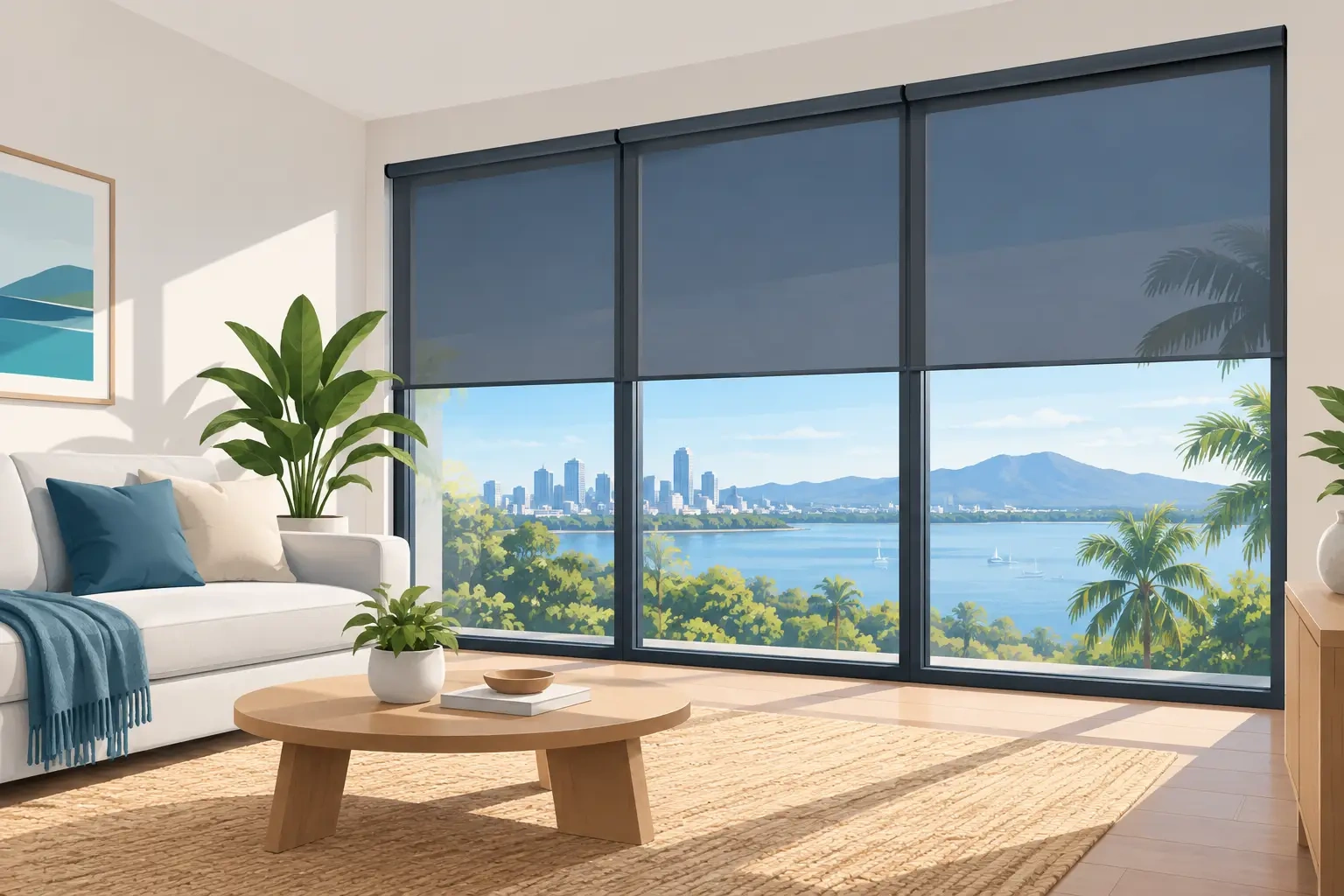
Window Tinting Blinds for Queensland Homes A west-facing lounge can look perfect at 9 am and become the hottest, brightest room in the house by mid-afternoon. When people search for window tinting blinds, they are usually trying to solve that exact problem: too much heat, glare on the television, fading furniture or a lack of privacy. The right answer is not always blinds, and it is not always film. It depends on the glass, the room and what you need the window to do. I have installed window film across the Gold Coast and Brisbane since 1993, and the best results come from treating each window as part of the room rather than choosing a product from a catalogue. A bright kitchen has different needs to a bedroom overlooked by neighbours. A shopfront has different needs again. ## Window tinting or blinds: what is the real difference? Blinds manage light inside the room. They can block direct sun, provide privacy when closed and add a decorative finish. They are familiar, flexible and available in many colours and styles. Their limitation is that much of the sun's heat has already passed through the glass before the blind stops the light. Window film works on the glass itself. A quality solar-control film reduces [solar heat and glare](https://www.tradetint.com.au/blog/does-window-film-reduce-heat) before they enter the room, while also filtering UV that contributes to fading in flooring, fabrics and furnishings. Depending on the film and glass, it can reduce heat by up to 79% and glare by up to 93%. That does not make blinds redundant. Film is usually the better first step where heat and glare are the main concerns, while blinds are useful where you want full night-time privacy, darkness for sleeping or a particular interior look. Many homes get the most practical result by using both. ### What blinds do well Blinds are a good choice when control needs to change throughout the day. Venetian, vertical and roller blinds allow you to adjust light levels, and blockout blinds can make bedrooms much darker. They also give you privacy after dark, which is something most solar films cannot provide on their own. The trade-off is maintenance and bulk. Blinds collect dust, cords and mechanisms can wear, and a closed blind can take away the outlook and natural light that made the room appealing in the first place. In a busy office or a large glass-fronted home, constantly opening and closing blinds can become a daily chore. ### What window film does well Tinting is a quiet, always-on solution. Once installed, it does not need to be lifted, tilted or cleaned around. It can keep a room more comfortable while retaining the view outside and plenty of usable daylight. Solar film suits living areas, offices, meeting rooms, shopfronts and any space with large panes receiving strong Queensland sun. It is particularly worthwhile when air conditioning is working hard but the room still feels uncomfortable near the windows. Film is also available in different finishes. Some films are light and subtle, designed mainly for heat and UV control. Others provide a darker appearance and stronger glare reduction. The right choice is about getting enough performance without making a room feel unnecessarily dim. ## When window tinting blinds work best together For many properties, this is not an either-or decision. Window film reduces the ongoing heat load and glare during the day, while blinds give you the option to close off a room when you need darkness or complete privacy. A main bedroom is a good example. A solar film can reduce early morning glare and help protect carpets and furniture from [UV exposure](https://www.tradetint.com.au/blog/uv-film-for-fading-furniture). A blockout blind can then provide darkness for shift workers, young children or anyone who prefers to sleep in. In a media room, film helps cut daytime reflections while blinds handle the times when you want the screen as dark as possible. Commercial spaces benefit from the same approach. Film can reduce harsh glare on computer screens and improve staff comfort without turning an office into a dark box. Simple blinds can still be used in boardrooms where presentations, video calls or confidential meetings need extra visual privacy. ## Privacy needs a closer look Privacy film and blinds solve privacy differently, and this is where many property owners make the wrong call. Frosted film is excellent for obscuring views through bathroom windows, front-door sidelights, office partitions and glass near a neighbour's boundary. It provides privacy all day and night while allowing light through. Reflective and darker solar films can give good daytime privacy because people outside see more reflection than what is behind the glass. At night, however, [the effect reverses](https://www.tradetint.com.au/blog/does-privacy-film-work-nights) if your internal lights are on and it is darker outside. If night-time privacy is essential, you may still need blinds, curtains or a frosted film in the relevant areas. Decorative films are useful where privacy needs to look intentional. A simple band, pattern or frosted design can divide a glass office, soften a clear entry panel or give a bathroom window a cleaner finish without blocking daylight. ## Think about the glass before choosing film Not every window should receive the same film. Modern homes may have double glazing, low-E coatings, toughened safety glass or older panes with unknown performance. The type of glass, the frame, the window's position and the amount of direct sun all affect which film is suitable. A dark film is not automatically the best heat-control option, either. Some modern films provide strong solar performance with a lighter, more natural appearance. On the other hand, a darker finish may be appropriate for a highly exposed office, shopfront or media room where glare is the biggest complaint. This is why I inspect the glass and discuss the room's use before recommending a product. A film that looks good on one elevation may be the wrong choice on another. Accurate advice upfront helps avoid disappointment after installation. ## Cost, cleaning and lifespan Blinds can appear cheaper on a single small window, especially if you choose a basic ready-made option. Costs rise quickly when windows are wide, tall, unusually shaped or need custom fitting. Add installation, multiple rooms and better-quality fabrics, and the price can become significant. Window film is priced by the glazing and the chosen product. It can be particularly cost-effective for large fixed panes where blinds would be expensive, awkward or visually heavy. It also avoids replacing perfectly functional windows simply because they let in too much heat or glare. For cleaning, film needs no special routine beyond normal window cleaning with a soft cloth and non-abrasive solution once it has cured. Blinds need more regular attention, particularly in coastal areas where dust and salt can settle on slats and fabrics. Both products can last well when selected and installed properly. Film quality, glass condition, exposure and cleaning habits all matter. The cheapest option is rarely the best value if it discolours, bubbles or fails to deliver the comfort you expected. ## A practical way to decide Start with the problem rather than the product. If the room is hot through most of the day, solar-control window film should be high on the list. If the issue is mainly night-time privacy or bedroom darkness, blinds may be the priority. If you want daylight but do not want neighbours looking in, frosted or decorative privacy film may be the cleaner solution. For homes and businesses with several issues at once, combining film with blinds often gives the best balance. You can reduce heat and glare every day, retain your outlook, then use blinds only when you need greater control. At Trade Tint, I personally quote and install each job, from one problem window through to larger commercial glazing. If you can provide measured glass sizes and a few photos, I can give clearer advice and immediate pricing, with a stated 10% discount available on quoted work. The most useful window treatment is the one you stop noticing because the room finally feels comfortable, private and easy to use.